Meet a life.
Enter a world.
Artificial life by Ira Greenberg.
Living installations, portraits, drawings, and material studies. Computational organisms emerge, inherit traits, and take on unfamiliar forms.
The idea
An evolving world, and the traces a life can leave.
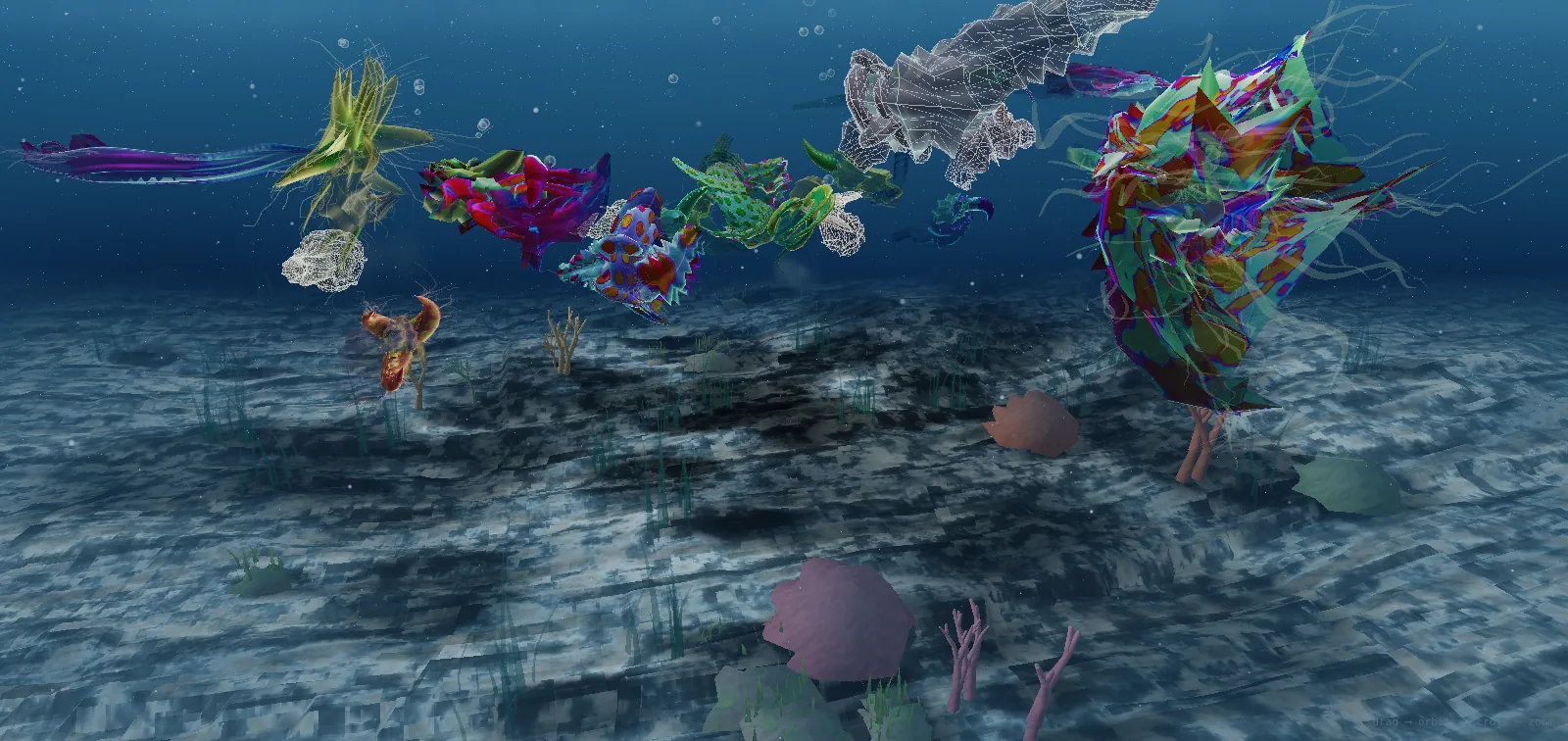
Protobytes is an evolving artistic world by Ira Greenberg. Computational organisms emerge, inherit traits, and take on unfamiliar forms. In ProtoWorld, they inhabit a changing ecology; across the studio, their bodies become portraits, line studies, and experiments with paper and blocks.
The work connects an ongoing drawing practice, begun in 2003, with an inquiry into artificial life: what it means for code and mathematics to grow a body, and for that body to have a history. Each encounter offers a way to look closely at growth, variation, and the traces a life can leave.
Six introductions
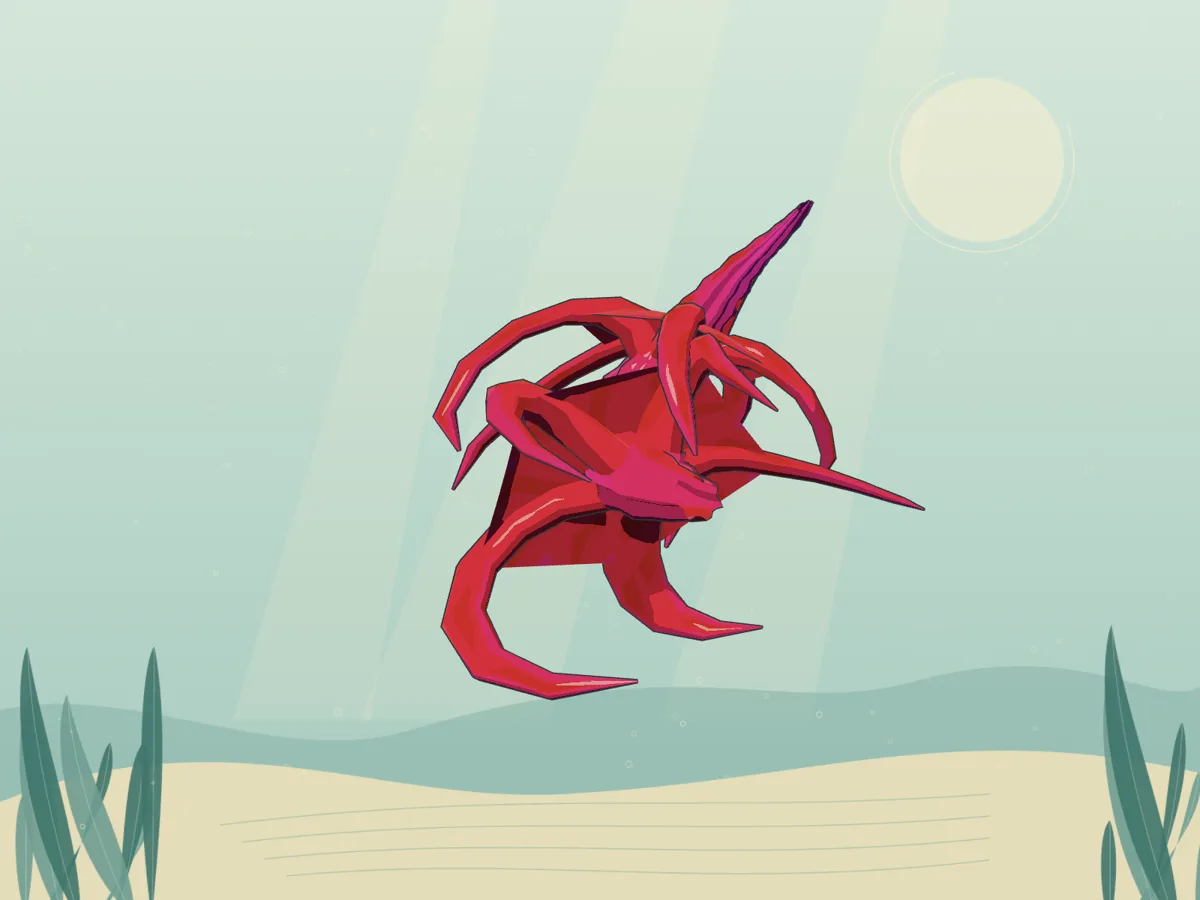
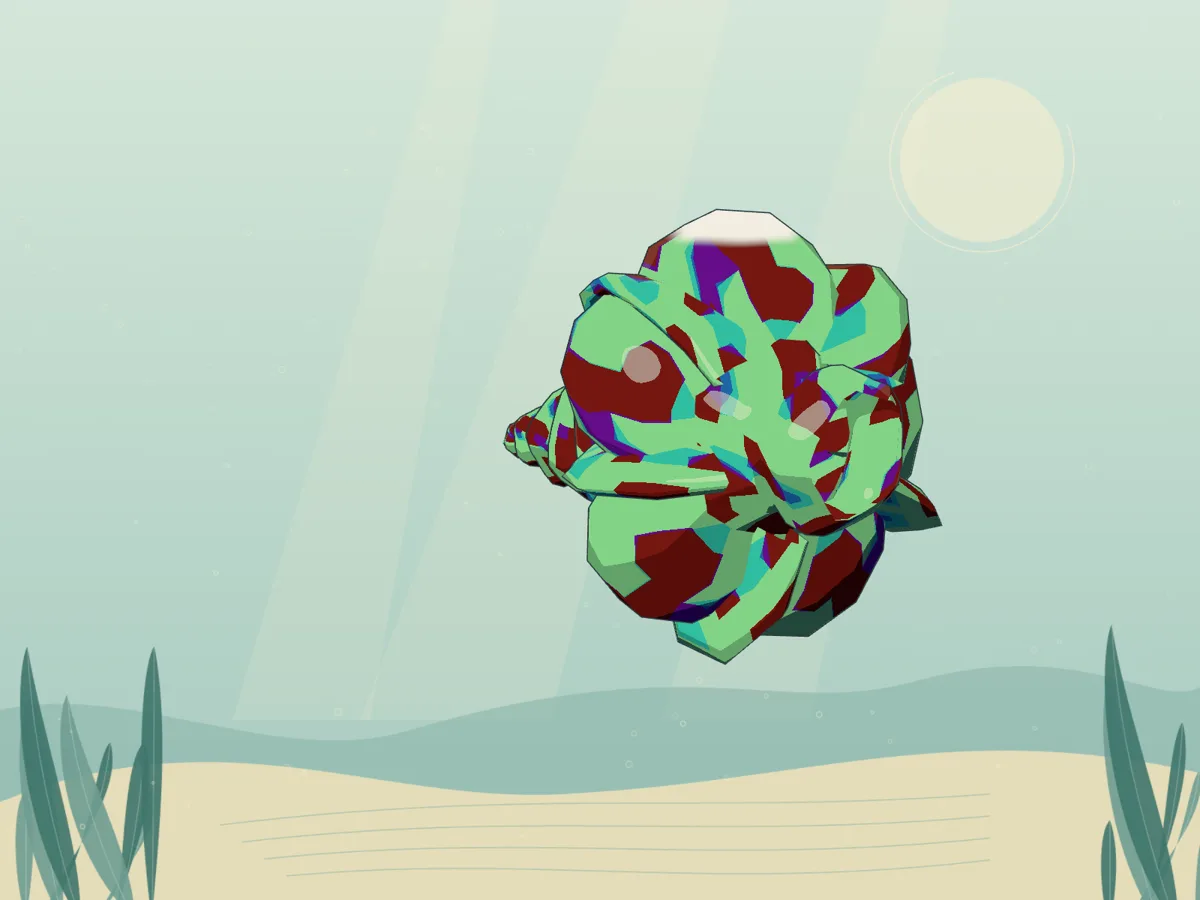
Names from an imagined taxonomy.
A reference set rendered in ProtoCel from retained development records. The first two carry life identifiers; the other four are genome records. These are development specimens, not the October exhibition population.
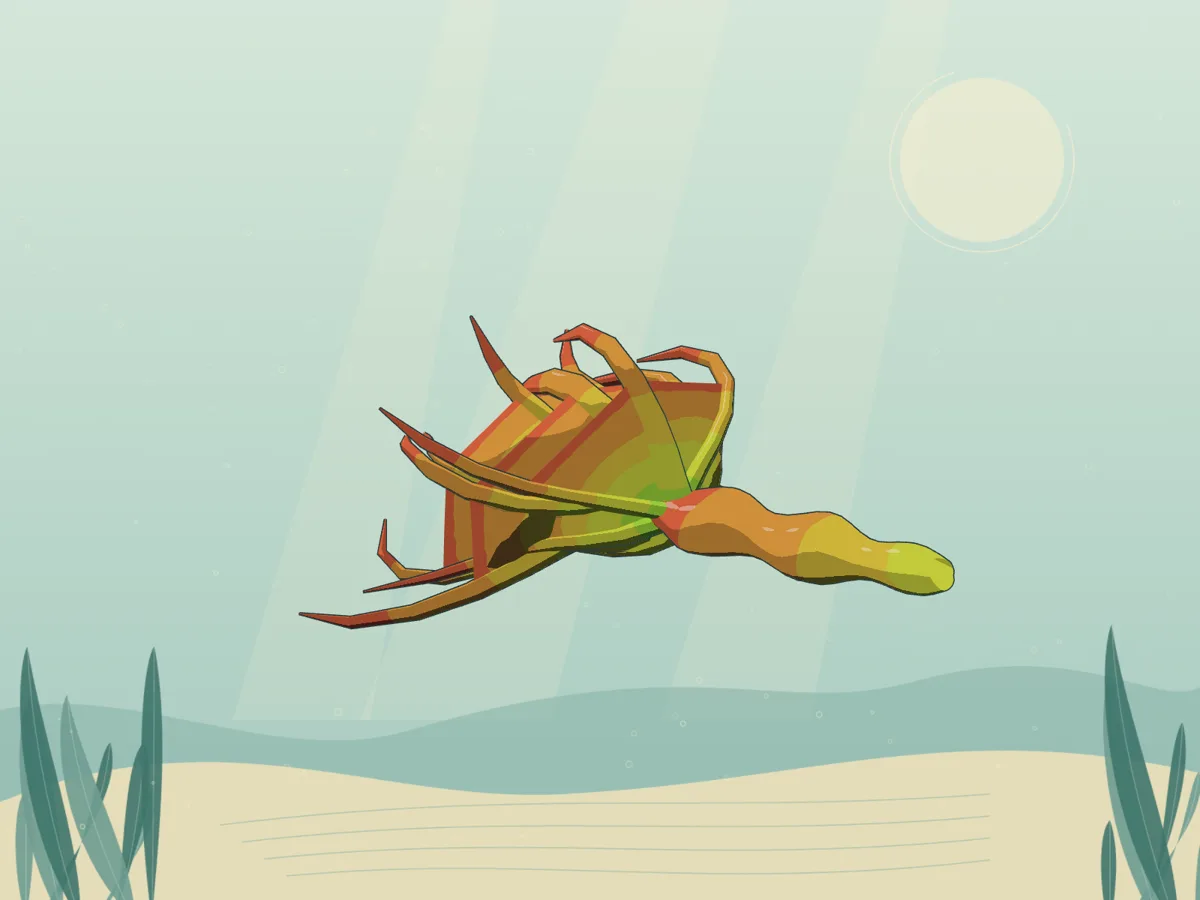
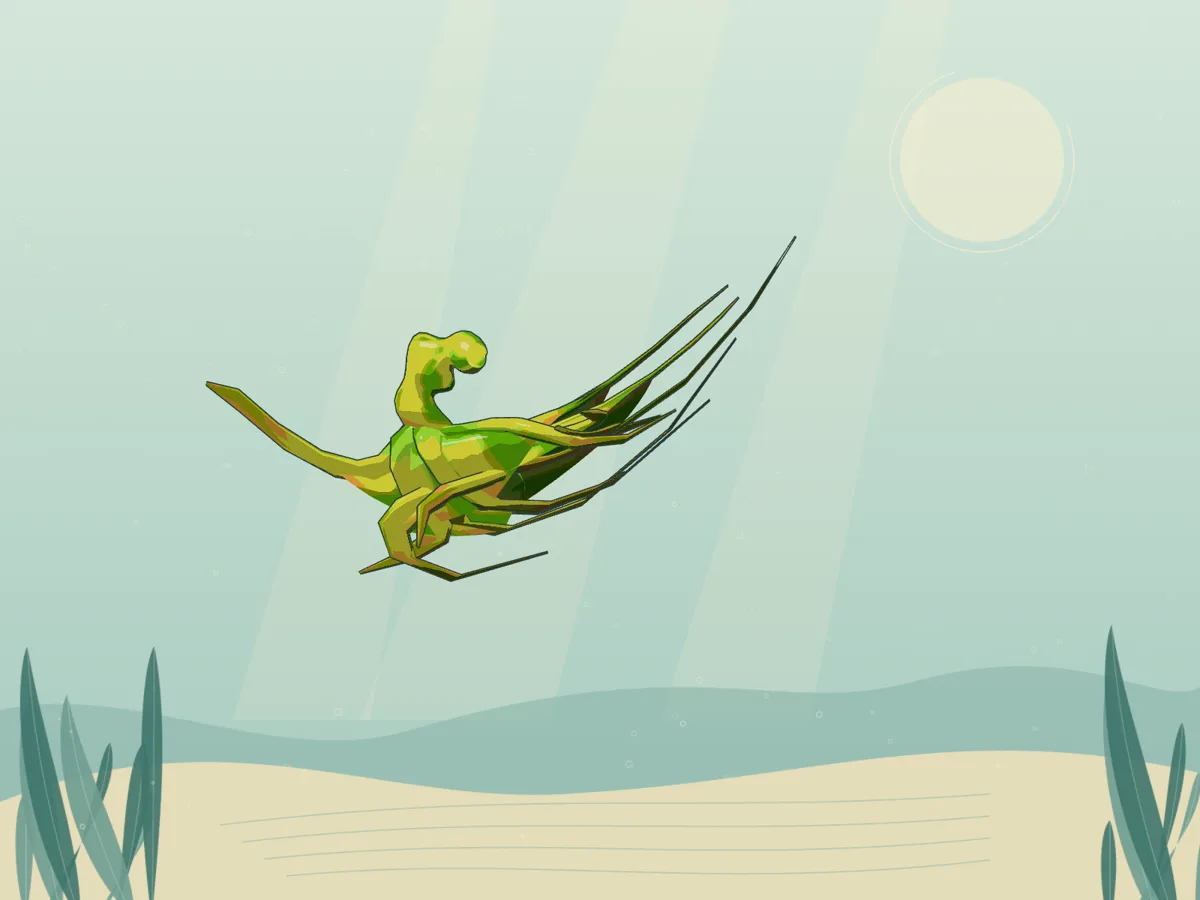
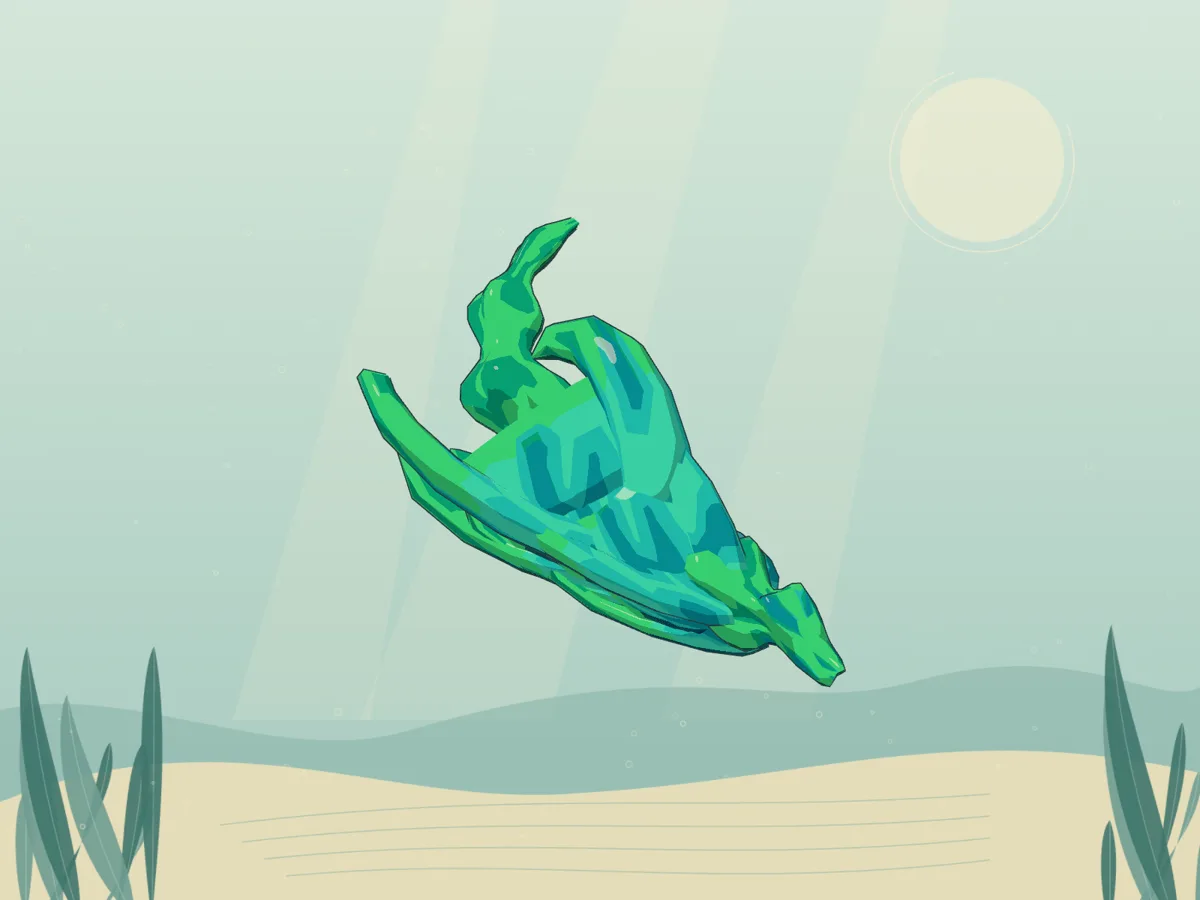
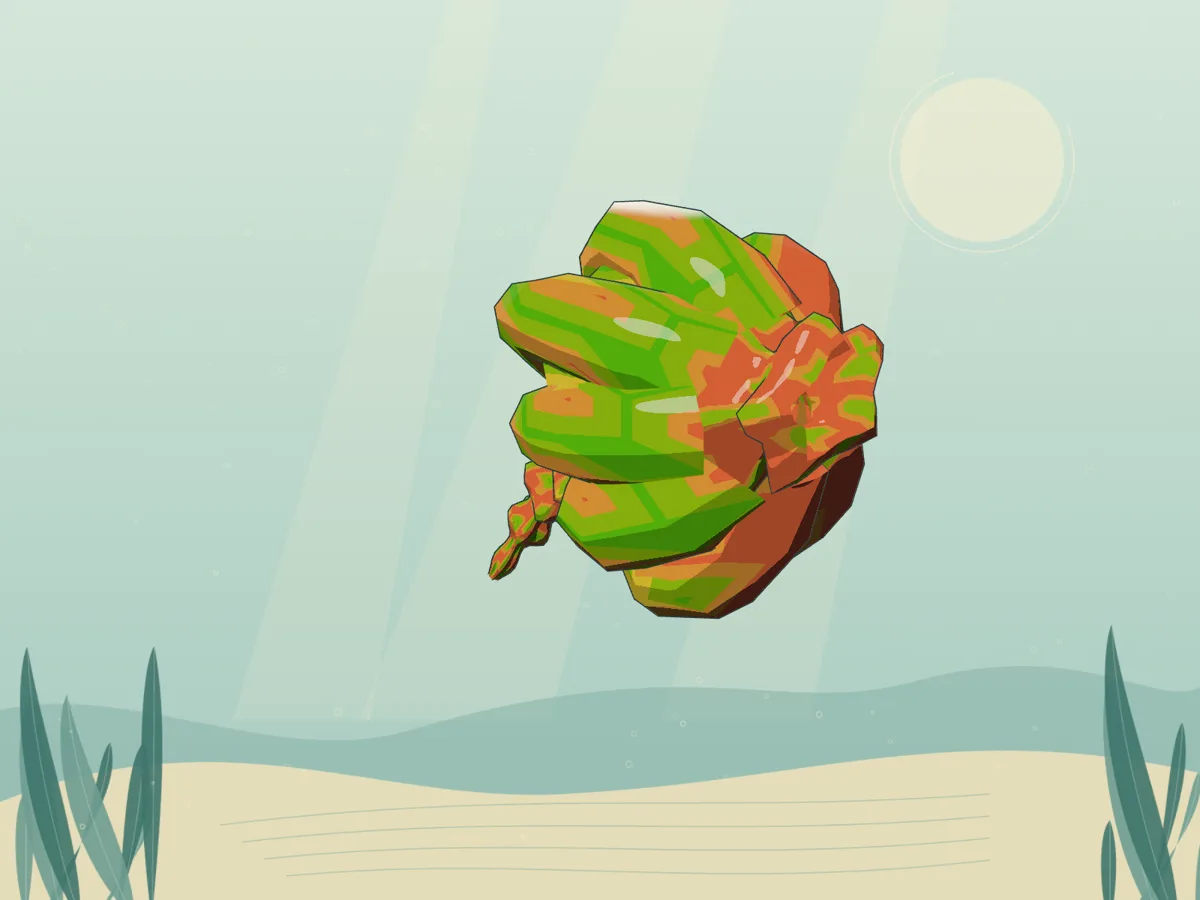
The World
A living population. It does not need you, and it is made of you.
ProtoWorld opens empty. Every organism in it began at the bench, bred by a visitor. A vision model decides what thrives in a shifting niche; seasons move the criterion; residents age, lose energy, and die; and the world runs overnight, unobserved. An LLM naturalist names each life and keeps its field notes.
Films
One life. Many forms.
A series of short films about the Protobytes world is in production: where it came from, how a protobyte is made, what happens in ProtoWorld, and the studies that carry one recorded life into paper, blocks, color, ink, and print.
The first films arrive with the exhibition in October 2026 and will be published here.
Studies
The same organism, read four ways.
Each studio reads the shared genome through a different material. The input is one; geometry, lighting, pose, and surface vary by studio. These are artistic interpretations, not replays of an archived life.
ProtoGami
Fold, edge, and shadow give protobytes a digital paper interpretation.
Open ProtoGami ↗Protokraft
protobyte forms explored through mass, assembly, and the rhythm of individual blocks.
Open Protokraft ↗ProtoCel
Illustrated portraits and motion studies of the inhabitants of Protobytes.
Open ProtoCel ↗ProtoInk
Line, contour, and tonal density connect computational organisms to drawing and engraving.
Open ProtoInk ↗Artworks & Editions
Portraits, records, and studies.
ProtoPortraits and ProtoMax carry selected individuals to higher detail: close observation, specimen sheets, and hero renders. Field Notes from ProtoWorld, a publication connecting selected organisms to their source records and interpretations, is a publication concept. Editions will be announced here once a physical proof exists; nothing is issued yet.
See the collection concept ↗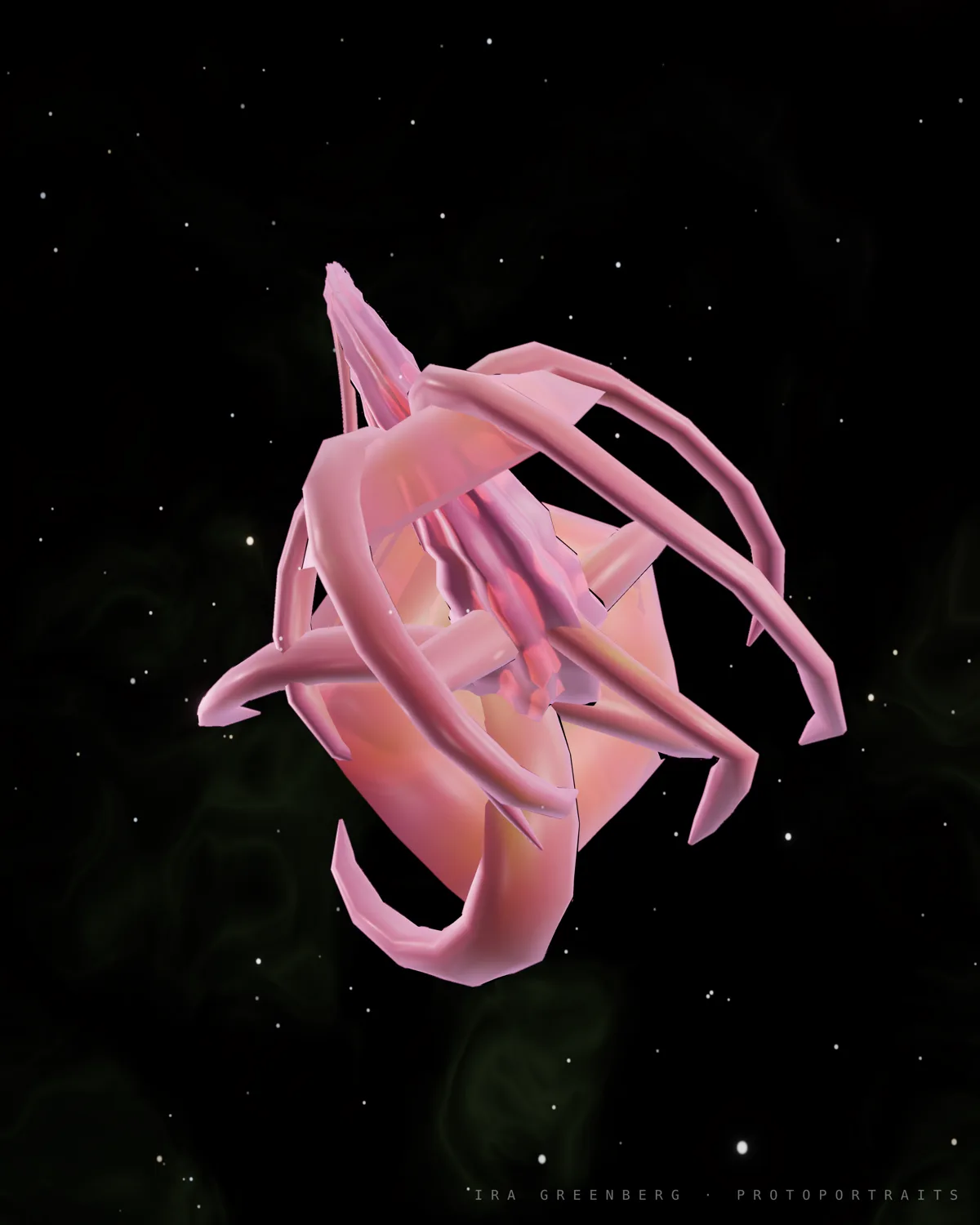
Visit / Commission
Protobyte Phylogeny · Ira Greenberg
October 28–November 1, 2026 · Gray Area · 2665 Mission Street · San Francisco · Modal × Gray Area
Enter the evolving world of Protobyte Phylogeny, an artificial-life artwork by Ira Greenberg. Breed an organism at the bench, watch it enter the population, and follow its life from your phone.
Exhibition details ↗Live with an evolving world.
Commission a living installation by Ira Greenberg, developed for its setting and the people who encounter it. Begin with a demonstration and a conversation about the place, scale, and scope of care.
ProtoTanks: arrange a viewing ↗About Ira
The artist is the continuity.
Ira Greenberg is a painter and computer artist, Professor and Director of the Center of Creative Computation at Southern Methodist University, and a Visiting Research Fellow in Computing at Goldsmiths, University of London. He wrote the first major book on the Processing language and has exhibited with Gazelli Art House, Bright Moments, Feral File and Strata Gallery. The Protobytes inquiry began in 2003 and has moved through ActionScript, Processing, three.js, and his own libraries to the living ecology now on view.
Biography and selected work ↗